This article may contain affiliate links, meaning we make a small commission on any purchases or bookings at no extra expense to you. For more info read our disclaimer & privacy policy here.
Planning a trip to Italy in January? From snowy mountains to lively cities and sleepy towns in between, here's where to go, based on personal experience.
January in Italy is cold, even in the far southern tip of Sicily. Sure, the south won’t be nearly as chilly as the mountainous north but winter still sweeps in across the country. You might not experience snow everywhere you go but you’ll want a big jacket and to be sure to book somewhere with heating.
The old architecture of Italy is pretty but notoriously bad at insulation so some days inside can feel colder than outside if the building isn’t properly heated.
That said, January can be a fantastic month to plan your trip to Italy, depending on what you’re hoping to see and do here. While seasonal destinations that focus on warmth will be pretty dead and most things closed (think much of the coast and lakefront towns), cities will be running as usual and ski season will be in full swing.
With the exception of ski destinations, booking prices tend to be lower and you’ll find less crowds at attractions. Keep in mind that the first week of January is typically a national holiday so many places will be closed that week.
If you’ve read any of the other monthly guides I’ve written, you’ll see I do my best to never repeat a destination. That isn’t because I think Rome is only worth visiting in April, it’s simply because there are so many incredible places to visit in Italy that I think it’s a real shame to only highlight the same places month after month.
With that, let’s dive in.
Short on time? Here's the quick guide:
Italy in January might be cold but is the perfect time to enjoy the slopes or the cities without too many other tourists. While I don’t recommend visiting coastal cities as they tend to close down for the season, it’s otherwise a nice time to visit. Just don’t forget your winter jacket!
At a quick glance, these are my top 5 recommendations of places to visit in January:
Corvara
Pordenone
Ravascletto
Perugia
Palermo
About us
We're Kat, from the US, & Raf, from Colombia. We've been traveling the world and living abroad for the past decade but now call Italy home.
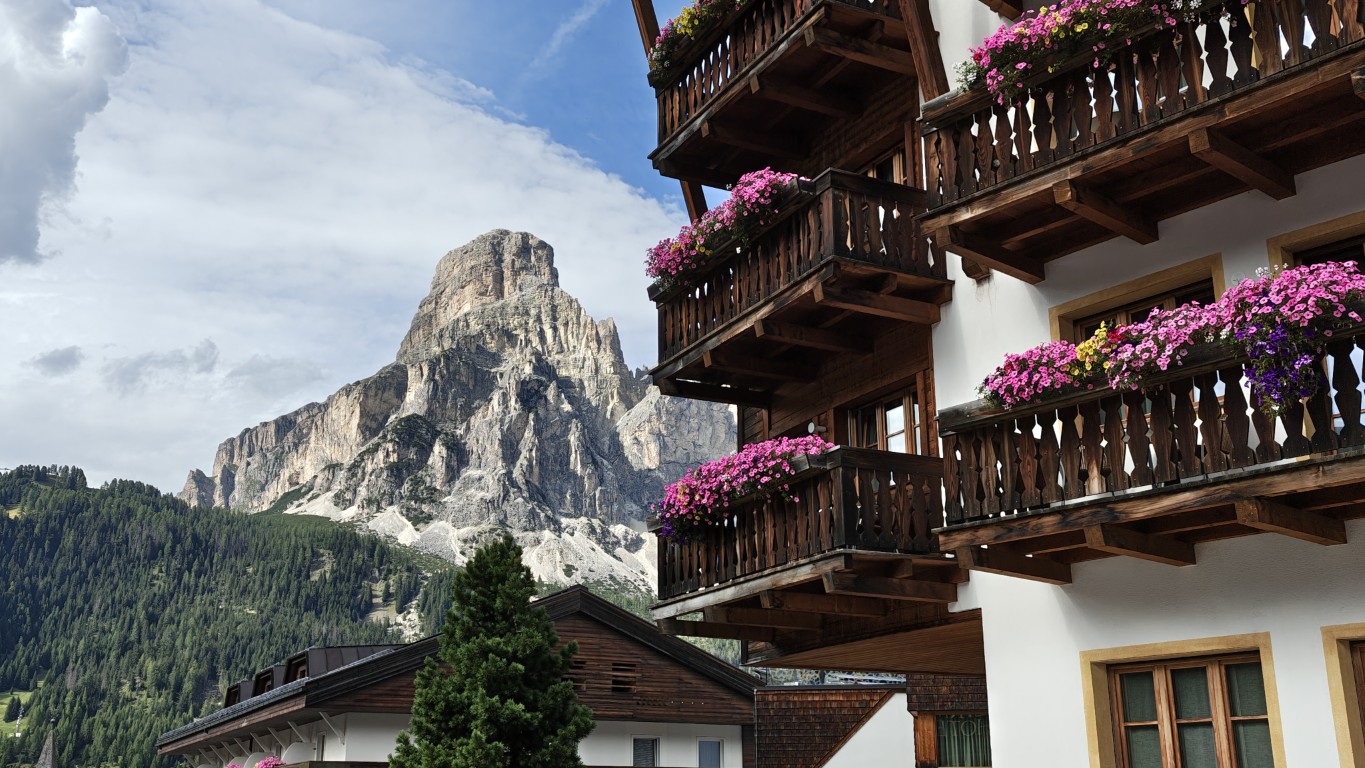
Corvara is a mountain town located right in the heart of the Dolomites. While it’s certainly not the only place to go skiing in Italy, its location is hard to beat if you want to explore a lot of the area.
One of its biggest claims to fame in the winter months is its home on the Sellaronda, the famous ski circuit that takes you around a mountain and through 5 towns. It’s about 40 kilometers (about half covered on the lifts) and can be done either clockwise (green) or counterclockwise (orange). Most consider the green circuit slightly easier but both are more suited to at least intermediate skiers and boarders. Most people take 6 hours to complete the loop, including stops for lunch and a coffee.
I could be wrong but I don’t think there are many places in the world that let you ski to 5 different towns in a single day. If you don’t want to complete the entire thing, fear not, buses can transfer you back to Corvara whenever you’ve had enough for the day.
Other than the Sellaronda, you can simply enjoy the 3 lifts that leave right from town and head in any direction within the Dolomiti Superski area. If you’re up for driving just a few minutes in any direction, you’ll find 100s of other slopes. Really, the options are endless in Corvara, which is why it’s the top of my list.
Most slopes in the Dolomites open at the end of November and close to the end of March, with some wiggle room based on the resort and weather conditions. This means January is prime time for great snow conditions (please, oh please, don’t let me have jinxed that for this year).
Truth be told, Corvara is also a great base for mountain adventures for a summer trip as well. Here’s a 3-day itinerary that’ll cover you in both winter or summer.
Where to Stay in Corvara
I recommend booking a hotel that offers breakfast and dinner, usually called “half-board.” This means you won’t have to worry about food before or after the slopes. I also recommend having access to a spa to soothe those muscles at the end of the day.
Here are some suggestions on where to stay, including the hotel we chose (and loved):
Budget-Friendly Stay:Garnì Tofana: For those with a tighter budget, you won't sacrifice much more than the spa by staying here instead.
Mid-Tier Stay: Rifugio Alpino Pralongià:This is a unique option because you'd actually be staying on top of the mountain, instead of in town. This rifugio is pictured below and really stunning. For those that only want to ski and nothing else, this is a great option.
Luxury Stay:Hotel Marmolada: This is where we stayed during our trip. This hotel has all of the amenities you could ask for, right in the center of town. You'll have everything that brought you to Corvara at your fingertips.
2. Pordenone
The architecture in Pordenone
Pordenone is Italy’s Capital of Culture for 2027, which really is the reason it’s on this list. Pordenone is a small city in Fruili-Venezia Giulia, a region in northern Italy. This is the town where Raf now works from and one that was a contender to move to when leaving Trieste (spoiler: we chose Belluno instead).
The main street, Corso Vittorio Emanuele II, is really, really pretty. It’s a few minute walk from the train station and pedestrian-only. The entire street is full of shops, restaurants, bars, and ends at the very Loggia Municipale, or Town Hall. While town hall isn’t usually on a list of attractions, this one is pretty picturesque. The real reason this street stands out though are its frescoes. Most buildings on the street have one, some are completely covered and some peak through an overlying brick facade.
They truly have done a great job making this street as maintained as possible. This stretches to the rest of the center but Corso Vittorio Emanuele II is the epicenter.
Now, I don’t want to overhype Pordenone. There really isn’t too much more going on here. Sure, there are other things to do and a local cuisine to try (frico is a must!) but it’s not quite enough for me to say, “Stop everything you’re doing and add Pordenone to your travel list right now.”
So, why have I added it to this list? Because it’s Italy’s Capital of Culture this year. That means more events, attractions, and money to the town to make it worth your trip. Since January is the start of the year, the event calendar is pretty packed.
For those that have been to Italy multiple times and are looking for somewhere new or for those travelers that prefer to see the more lived in side of the country, this is a good option. It can work as a day trip from Venice or a day trip from Trieste or as a detour if you’ve landed in Venice and are driving to the Dolomites.
Where to Stay in Pordenone
If you want more time here than just a day trip, you do have some options on where to stay. I’ve only ever been to Pordenone as a day trip myself but have selected a few accommodations based on location and reviews:
Budget-Friendly Stay: Best Western Plus: This hotel is conventionally located near the train station but on the way into the center, giving you easy access to everything you’d need in the city.
Mid-Tier Stay: B&B Delta Majestic: This hotel is right in the center of Pordenone, meaning nothing will really be more than a 5-10 minute walk away.
Luxury Stay: Appartamento Èlite: If you’re looking for a larger place to stay, this home sleeps 4. It’s located near the very pretty Noncello and just a few minutes walk to the historical center.
3. Ravascletto
Snowy mountain views await on top of Mt. Zoncolan
Ravascletto is a small village, also in Friuli-Venezia Giulia. Just like Corvara, I’m recommending this town because of its skiing. Unlike with Corvara, if you choose to head here, you’ll only have access to Monte Zoncolan, rather than a number of other interconnected resorts.
When we lived in Trieste, this was our go-to ski mountain. It was the closest option from our house, offered enough runs to entertain ourselves for a full day out, and is significantly cheaper than Dolomiti ski passes.
If you truly just want to hit the slopes and don’t really care about doing the famous Sellaronda or visiting the more popular towns to the north, this is a great option. The views here are still killer, you’ll have a number of mountain huts to eat on along the runs, and everyone from a beginner to a more experienced skier or snowboarder can have some fun. There’s even a small terrain park.
It’s important to note that this town is much more frequented by locals rather than international tourists. You can expect everything to be in Italian, with Slovenian and German more dominant than English.
The town of Ravascletto is pretty sleepy, so you’ll want to get your kicks out on the slopes. There are a few restaurants and a small grocery store in town but that’s about it. The main point of coming here is certainly the outdoors.
Given that, I recommend you expend all of your energy on the slopes and book somewhere cozy to rest up for the night. These are some personal recommendations of where to stay in Ravascletto:
Albergo Diffuso Ravascletto: We booked a long weekend here and loved it. You will need to drive to the cable car but the house is quiet, cozy, and pet-friendly.
Dolomiti Village: This is where we stayed on our second time to Zoncolan. We enjoyed the cozy cabin and the sauna. It’s a bit out of town but they have a great restaurant for nights in.
Baita Goles: I haven’t stayed here yet but if you want to sleep on the slopes, this is the hotel for you. We have eaten at the restaurant here and really enjoyed it.
Perugia is the capital of Umbria, an Italian region located right in the heart of the country. This region is often referred to as the “Green Heart of Italy” because of its agricultural production and splendid nature but, let’s be honest, if you visit in January things might not be so green.
That’s not to deter you, rather to set your expectations accordingly.
The reason I chose to include Perugia on this list is because it’s a city, which means it won’t close up for winter. You’ll be able to shop, eat, drink, and wander around town just like normal, albeit with shorter days of sunlight.
One of the big pulls to Perugia, and Umbria in general, are its underground cities and tunnels you can explore. Who cares if the sun is shining outside or not if you’re underground? The city and region is also home to a number of impressive churches and museums to explore, which again, is primarily an indoor activity.
While Perugia and the surrounding towns you might choose to visit for day trip are primarily hilltop towns that take some effort to reach from the train station, most have a funicular that you can take, limiting your time fully outdoors even more.
If you’re a jazz fan, you might want to swap Perugia for another Umbrian town, Orvieto, for their winter jazz festival. It runs over New Years, starting late December and ending the first week of January.
Where to Stay in Perugia
Unless you plan on doing a lot of day trips from Perugia, I recommend staying in the old town. This will give you access to the best sights, attractions, and things to do without having to walk up and down the main hill too often.
Some recommendations of places to stay include:
Budget-Friendly Stay: Vannucci House: They offer 2 different simple yet very affordable apartments in the center.
Mid-Tier Stay: Luna Fashion Steps Suite: This is where I stayed while in Perugia and really enjoyed it. While I typically prefer a hotel when I don’t travel with my pets, I stayed for 5 days and needed a good place to work from and the chance to do some laundry. This offered all that and more.
Luxury Stay: Rosetta Hotel: Ideal for those that want to treat themselves, this hotel looks like the perfect choice. All of the rooms and shared spaces are incredibly stylish.
Palermo is also a capital city, this one for the island of Sicily. Like Perugia, I’m including it on the list rather than a small town in the region because cities don’t close down in the winter like other places might.
Palermo should also be the warmest destination on this list for those that are really adverse to chilly weather. Although please take the adjective “warm” with a grain of salt as it’s only comparative.
While I haven’t yet been to Palermo, I’ve heard it described as grungy. It has a more rough after the edges appeal that many people don’t equate with the storybook vision of Italy you might have in mind. It still has incredible architecture and it’s charming alleyways but know it’ll be tangled with graffiti and a little dose of chaos in places.
If you don’t actually care about swimming, boat trips, or sunbathing, and care more about the views and seeing beaches practically empty, you’ll likely love Sicily in January. Palermo is a great base to explore more of the region given that it’s the regional hub.
Where to Stay in Palermo
Since I haven’t yet been to Palermo, I can’t stay with 100% confidence where to stay but based on research and comparing it to other Italian cities, I’d suggest staying within the historical center. Like in Perugia, this’ll give you instant access to most of the things you’ll want to see and do in Palermo.
Some accommodation suggestions are:
Budget-Friendly Stay: B&B Angolo83: This is a simple room with a mini kitchenette but in a fantastic location, ideal for those that plan on being outside more than they’re in their accommodation.
Mid-Tier Stay: Lùlom - Rooftop Boutique Rooms: Neat, clean and ideally located, you have a variety of room choices at this hotel so you can find the size and amenities you’re after.
Luxury Stay: Palazzo Natoli Boutique Hotel: This hotel is ideal for those that prefer a more historic residence, albeit one that’s been upgraded for a luxury experience. They also offer a number of room types to choose from.
Where Will You Visit on Your January Trip to Italy?
From skiing in the north to soaking up cities in the south, there really is a lot to love about planning a January trip to Italy. With the exception of the mountains, it’s true low season for much of the country, giving you a chance to explore and see some of the biggest attractions with a fraction of the crowds.
So long as you don’t mind packing a bag large enough for a winter coat, gloves, and a hat, you’ll love your trip to Italy in January.
Travel Italy like you live here
Get Italian travel tips straight to your inbox + 2 bonus freebies right away.
By clicking “Accept All”, you agree to the storing of cookies on your device to enhance site navigation, analyze site usage and assist in our marketing efforts as outlined in our cookie policy.